Mosquito Control Around the Deschutes River: What Works
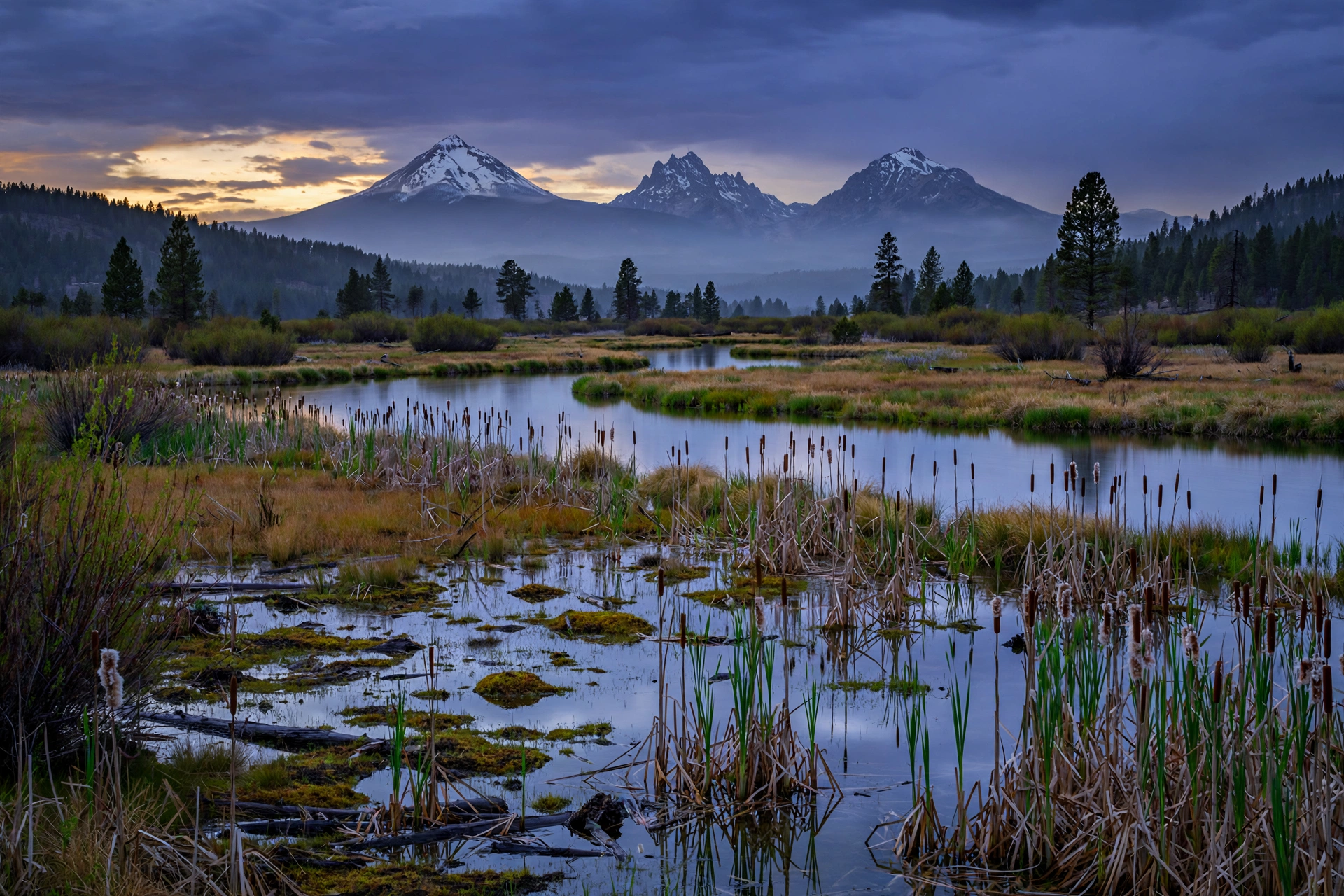
If summer evenings on your patio feel like a blood drive, you’re not imagining it — mosquito control around the Deschutes River is one of Central Oregon’s toughest pest challenges. The river corridor, irrigation ditches, and wetland pockets from Sunriver to La Pine breed some of the most aggressive biters in the state. Here’s why they’re so bad here, what actually works, and what the local vector control district does (and doesn’t) handle.
Why the Deschutes Breeds Such Aggressive Mosquitoes
The main culprit is Aedes vexans, a floodwater mosquito that lays eggs in soil — not standing water. When irrigation runoff, river fluctuations, or summer storms flood those areas, the eggs hatch all at once, producing huge, aggressive broods. Unlike the container-breeding mosquitoes of wetter climates, Aedes vexans thrives in Central Oregon’s cycle of dry spells and sudden water: temporary pools, ditch edges, wetland margins, and even a low spot in an irrigated pasture.
That resilience is why riverside communities feel it most. Homes near the Deschutes in Sunriver, along the Little Deschutes near La Pine, and anywhere near irrigation ditches can see heavy pressure from late May through September — while a neighborhood a mile from water stays relatively comfortable. In the Cascades, a daytime-biting species (Aedes communis) adds to the misery for hikers and mountain homeowners.
What Actually Works Against Deschutes Mosquitoes
- Source reduction first. Nothing beats eliminating breeding sites: dump and refresh birdbaths, pet bowls, and saucers weekly; clean gutters; fix the low spot where irrigation pools. Aedes vexans needs only days of standing water.
- Bti for water you can’t drain. Bacillus thuringiensis israelensis is a naturally occurring bacterium that kills mosquito larvae but is considered low-toxicity to people, pets, and most other wildlife. Dunks in ponds, ditches, and rain barrels work for about 30 days.
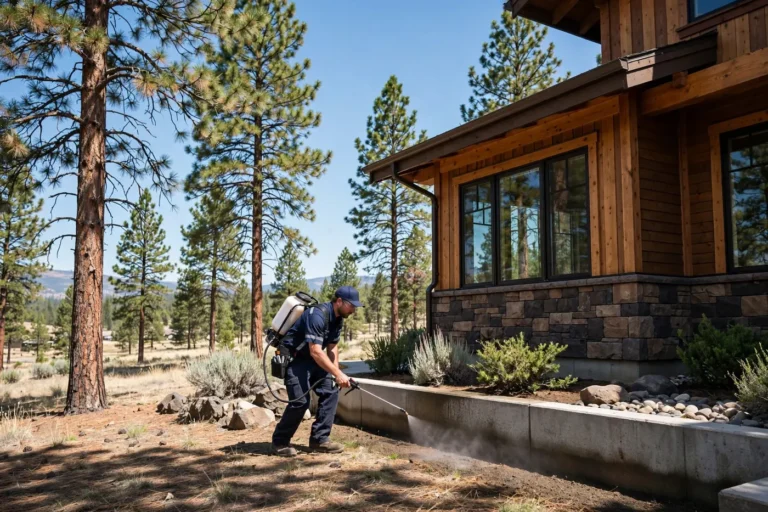
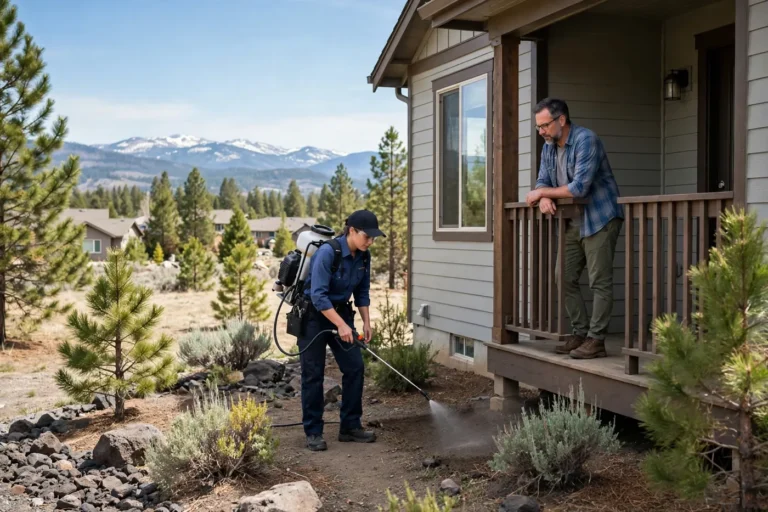
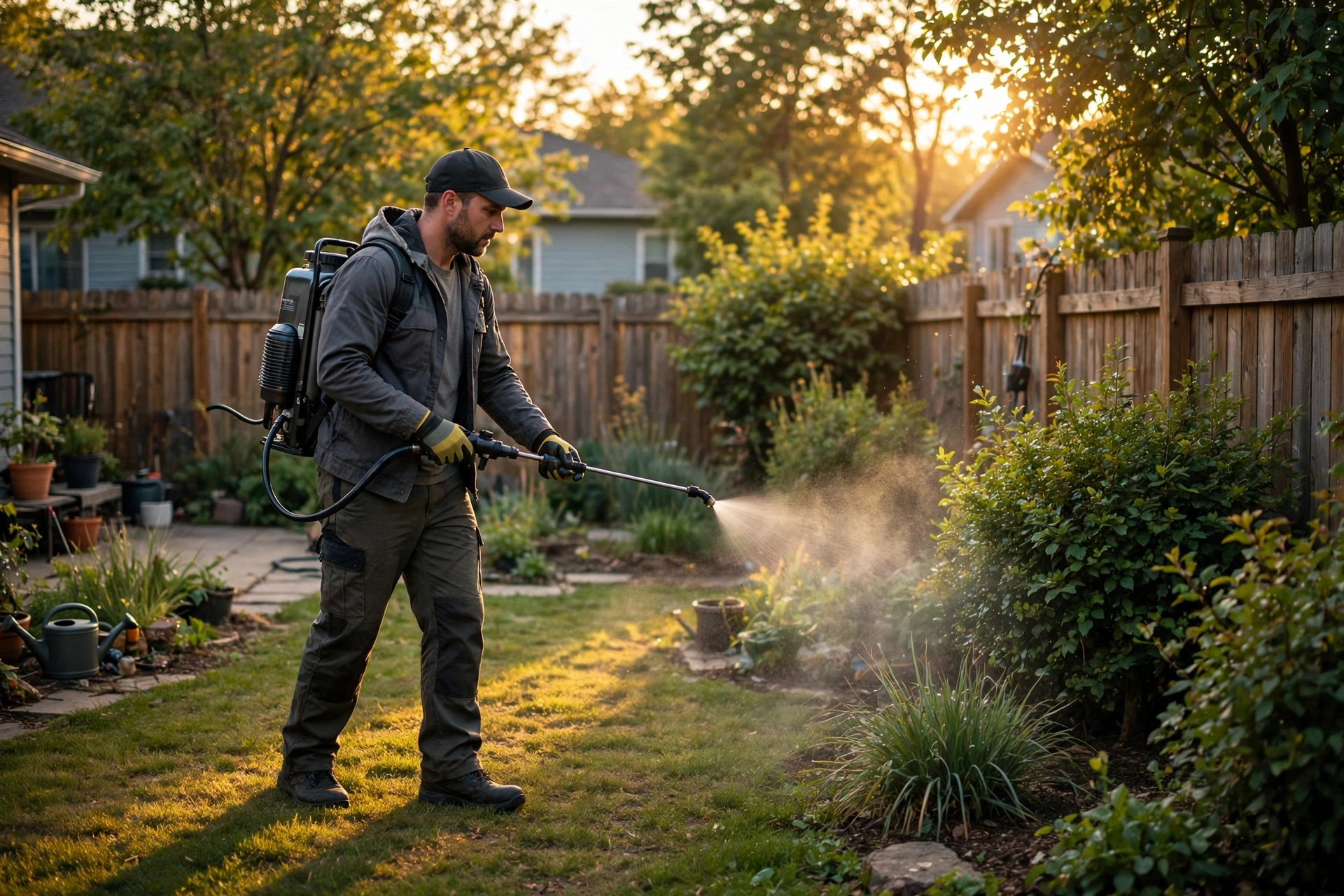
- Timed yard treatments. Professional barrier treatments applied to vegetation where mosquitoes rest — timed before outdoor events or during peak weeks — dramatically cut bites for 2–3 weeks per application.
- Patios and fans. Mosquitoes are weak fliers; a good oscillating fan on the deck is a surprisingly effective, chemical-free defense.
- Personal protection at dusk. EPA-registered repellents during peak biting hours (dusk and dawn) remain the single most effective personal measure.
West Nile Virus in Oregon: A Level-Headed Look
Mosquitoes aren’t just annoying — Aedes vexans can carry West Nile virus. For perspective: in 2024, 21 mosquito pools tested positive for West Nile statewide in Oregon. Human cases remain uncommon, and most infections are mild or asymptomatic — but the risk is real enough to take prevention seriously, especially for older adults. The best personal protection is the unglamorous stuff: dump standing water on your property, use repellent at dusk, and keep window screens in good repair.
Four Rivers Vector Control — and What They Don’t Cover
Deschutes County’s mosquito abatement is handled by the Four Rivers Vector Control District, which treats river-corridor wetlands with Bti — including helicopter applications over the Sunriver/La Pine corridor. That’s area-wide public-land work, funded by taxpayers, and it meaningfully reduces the regional mosquito population. What it doesn’t do is treat your backyard. Breeding sites on private property — the birdbath, the clogged gutter, the ditch easement behind the fence — are the homeowner’s responsibility. That’s where our residential pest control mosquito program comes in: property-level source reduction plus timed yard treatments. OSU Extension also publishes solid homeowner guidance for Central Oregon mosquito prevention.
Mosquito Prevention Checklist
- Dump or refresh all standing water weekly — saucers, toys, tarps, pet bowls.
- Clean gutters so water flows instead of pooling.
- Drop Bti dunks in ponds, ditches, and rain barrels you can’t drain.
- Keep window and door screens repaired; check them each spring.
- Run a fan on the patio during evening gatherings.
- Schedule a yard treatment before big outdoor events. Vacation rental owners in Sunriver: pair mosquito-season prep with between-guest bed bug checks for full guest-season protection.
Frequently Asked Questions
When is mosquito season in Central Oregon?
Typically late May through September, peaking in July and August. Wet springs with heavy snowpack runoff can make it worse; drought years with less standing water are milder. River-corridor properties feel it first and longest.
Does the county spray mosquitoes in my yard?
No. Four Rivers Vector Control treats public river-corridor wetlands — not private property. Your yard’s breeding sites and resting areas are your responsibility, which is exactly what professional yard treatments address.
What is Bti and is it safe?
Bti (Bacillus thuringiensis israelensis) is a naturally occurring soil bacterium that produces proteins toxic to mosquito and black fly larvae, with very low toxicity to people, pets, fish, and most other insects. It’s the backbone of both district-level and homeowner mosquito control.
Are mosquito yard treatments safe for kids, pets, and the river?
Professional treatments use EPA-registered products applied by licensed technicians — our applicators are licensed through the Oregon Department of Agriculture — with label-directed buffers around waterways. We’ll explain exactly what’s applied and any precautions for your property.
Why are mosquitoes worse some years than others?
It comes down to water: snowpack, spring rain, river levels, and irrigation timing determine how much temporary-pool habitat exists. More flooded low ground in June means more mosquitoes in July.
Dealing with mosquitoes in Bend or anywhere in Central Oregon? High Desert Pest Solutions will identify the problem accurately and give you an honest plan to fix it — no scare tactics, no overselling. Call (541) 555-0123 or request your free estimate online today.