
How Often Should You Schedule Pest Control in Bend?
How often should you schedule pest control in Bend? It’s one of the most common questions we hear — and the honest answer is: it depends on your property, but for most Central Oregon homes, quarterly service is the sweet spot. Here’s why that rhythm works, what Bend’s seasonal pest calendar looks like, and when you might need more (or less) than four visits a year.
The Short Answer: Quarterly Service
Quarterly pest control in Bend, Oregon means a licensed technician visits your property four times a year, treating the exterior perimeter and key interior zones on a schedule timed to Central Oregon’s pest seasons. The logic is simple: most professional-grade perimeter treatments remain effective for about 90 days. Reapplying on that cycle means there’s never a gap in protection — pests probing your foundation in week 13 meet a fresh barrier, not a faded one.
Compare that to the reactive approach: no service until ants invade the kitchen, then a panicked one-time treatment, then nothing until wasps build under the deck. Over a year, the reactive homeowner often spends as much as the quarterly customer — but lives with pests in between. Prevention is cheaper than cure, and it’s not close. Our cost guide breaks down the typical math.
Bend’s Seasonal Pest Calendar

Central Oregon’s high desert climate creates a predictable pest rhythm, and our quarterly residential plans are timed to it:
- Spring (Mar–May): Ant season. Odorous house ants and pavement ants emerge hungry. We establish the exterior perimeter barrier and treat early ant activity before colonies peak.
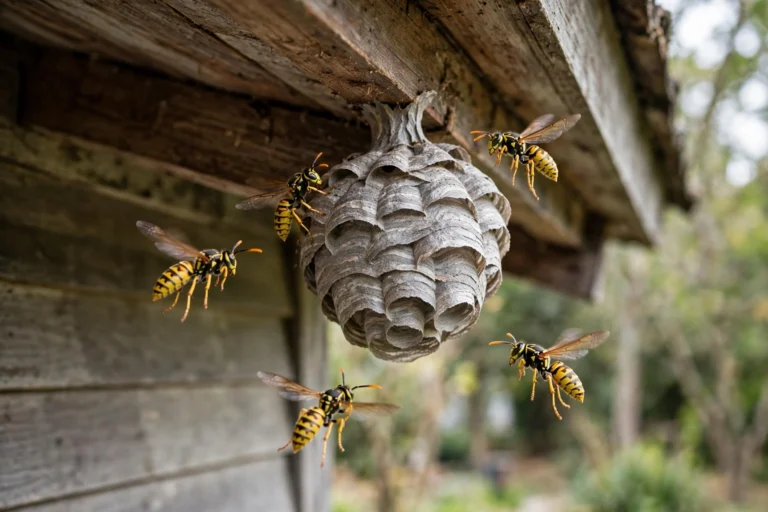
- Summer (Jun–Aug): Wasps and mosquitoes. Yellowjacket colonies grow all summer; paper wasps build under eaves. Mosquito pressure peaks near irrigation and the river. We knock down nests early and maintain the barrier.
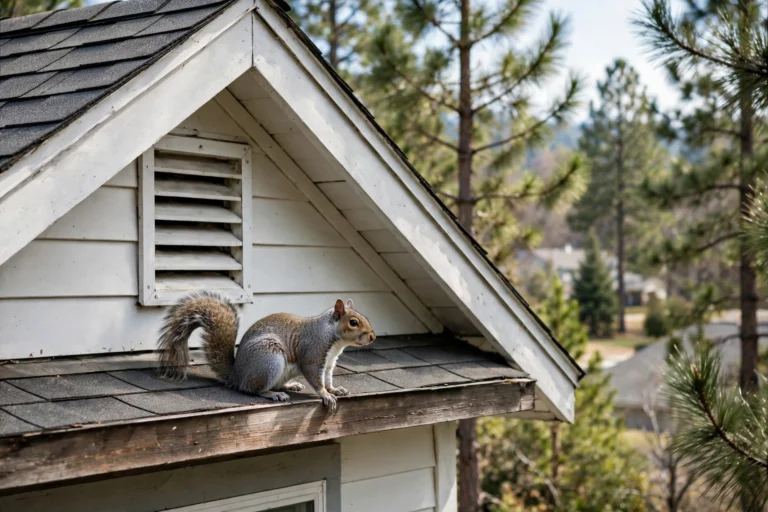
- Fall (Sep–Nov): Spiders and rodents. Hobo spider males wander indoors (Aug–Oct), and rodents start probing for winter entry points. Fall is exclusion season — sealing gaps before the first freeze.
- Winter (Dec–Feb): Monitoring. Pest activity drops, but rodents already inside and overwintering spiders still need attention. We inspect, monitor, and reinforce.
Each visit builds on the last. The spring barrier reduces summer pressure; the fall exclusion prevents winter infestations. That’s the compounding value of a schedule versus one-off treatments.
When You Need More Than Quarterly
Quarterly is the baseline, not a ceiling. You may need monthly or bi-monthly service if you have an active infestation (bed bugs, German cockroaches, or a serious rodent problem need aggressive initial treatment), a vacation rental with constant guest turnover, a restaurant or food-handling business (health code often requires documented monthly service — see our commercial pest control), or a property backing to open desert or farmland with relentless rodent pressure.
Conversely, some low-risk properties — a newer condo with no yard, for example — might do fine with twice-yearly service. We’ll tell you honestly during the inspection if quarterly is overkill for your situation. We’d rather have a customer on the right plan than the most expensive one.
One-Time vs. Ongoing: The Honest Math
A one-time treatment solves today’s problem. It does nothing for next season’s. In Bend, where spring ants follow winter rodents follow fall spiders in an endless rotation, one-time treatments become a recurring expense anyway — just an unplanned, higher-stress one. Quarterly plans also come with a guarantee: if pests return between scheduled visits, we re-treat free. One-time jobs don’t include that safety net.
Practical Tips: Getting the Most From Your Service Plan
- Don’t skip the fall visit — exclusion work before rodent season prevents the worst winter problems
- Report new pest activity between visits promptly; that’s what the guarantee is for
- Keep up with the sanitation and moisture recommendations your technician gives you
- Trim vegetation back from the house so the perimeter treatment isn’t bridged
- For rentals, coordinate service with tenant turnover — see our property management plans
Frequently Asked Questions
Is quarterly pest control worth it in Bend?
For most homes, yes. Bend’s distinct pest seasons mean there’s always something active, and quarterly visits timed to the seasonal calendar prevent problems rather than reacting to them. Most customers find it costs less per year than repeated one-time emergency treatments.
Do you spray inside my house every visit?
Not necessarily. Most quarterly service focuses on the exterior perimeter — the barrier that stops pests before they enter. Interior treatment happens on the initial visit and as needed afterward. Less chemical inside your living space is a feature, not a shortcut.
Can I skip winter service?
You can, but winter visits catch rodents that got in during fall and overwintering pests in attics and crawl spaces. The winter inspection also sets up the spring barrier. Skipping it creates a gap right before ant season.
How long does each quarterly visit take?
Typically 30–45 minutes for a standard home: exterior perimeter treatment, eave and entry-point check, and interior spot treatment if needed. You’ll get a report of what was done and anything you should watch.
What if pests show up between visits?
Call us — re-treatments between scheduled quarterly visits are free under our satisfaction guarantee. That’s the core advantage of a plan over one-time service.
Ready for year-round protection? Request a free estimate or call High Desert Pest Solutions at (541) 555-0123 for quarterly pest control in Bend, Tumalo, Redmond, and throughout Central Oregon.