Do You Need Termite Treatment in Bend? Signs to Watch For
Do you actually need termite treatment in Bend? It’s one of the questions we hear most from homebuyers — and the honest answer surprises a lot of people: genuine termite infestations are rare in Central Oregon. Our dry, high-desert climate is hostile to the Pacific dampwood termite, Oregon’s native species, which needs consistently moist wood to survive. Most of the “termite” calls we get turn out to be carpenter ants — a real problem here, but a very different one.
That doesn’t mean termites in Bend, Oregon are a myth, or that inspections are pointless. It means you deserve straight answers instead of scare tactics. Here’s what a local technician wants you to know about termite signs, when an inspection is worth your money, and how termites differ from the wood-destroying pests that actually thrive here.
Why Termites Are Rare in Central Oregon
Oregon’s termite is the Pacific dampwood termite. Unlike the subterranean termites that devastate homes across the South and Midwest, dampwood termites need wood with high moisture content — decaying logs, water-damaged framing, perpetually damp crawl spaces. They’re common in western Oregon and along the coast, where it rains for half the year. In Bend’s dry climate, with low summer humidity and fast-draining volcanic soil, the conditions they need are hard to come by.
The result: established, damaging termite colonies are uncommon in Bend, Redmond, and the surrounding high desert. When we do find termite activity, it’s almost always tied to a chronic moisture problem — a slow plumbing leak, poor drainage against the foundation, or wood sitting directly on damp soil. Fix the moisture, and you usually remove the invitation.
Termite Signs Worth Taking Seriously in Bend
Rare doesn’t mean impossible. If you spot any of these, a professional inspection is worth it:
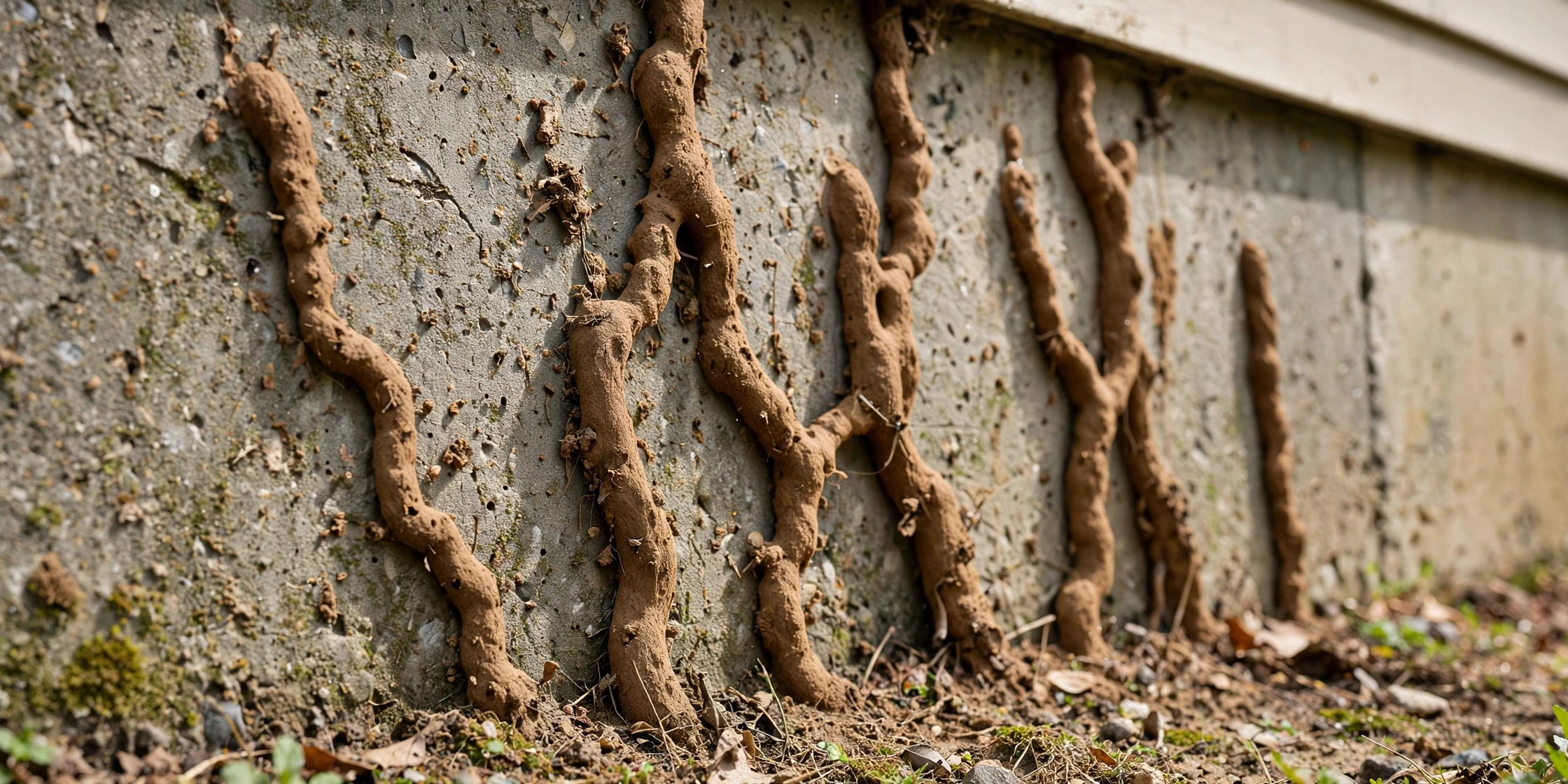
- Mud tubes — pencil-width tunnels of packed soil running up foundation walls or across concrete. Dampwood termites build these shelter tubes to travel between soil and wood while staying moist.
- Discarded wings — small piles of translucent wings on windowsills or near light fixtures, left behind after swarmers take flight.
- Hollow-sounding wood — tap suspect trim or framing; wood that sounds papery or empty may be tunneled out inside.
- Blistered or darkened wood — moisture-damaged wood with a rippled surface can hide galleries underneath.
- Frass versus mud — fine sawdust-like pellets point to carpenter ants; muddy tubes and packed soil point toward dampwood termites. The distinction matters because the treatments are completely different.
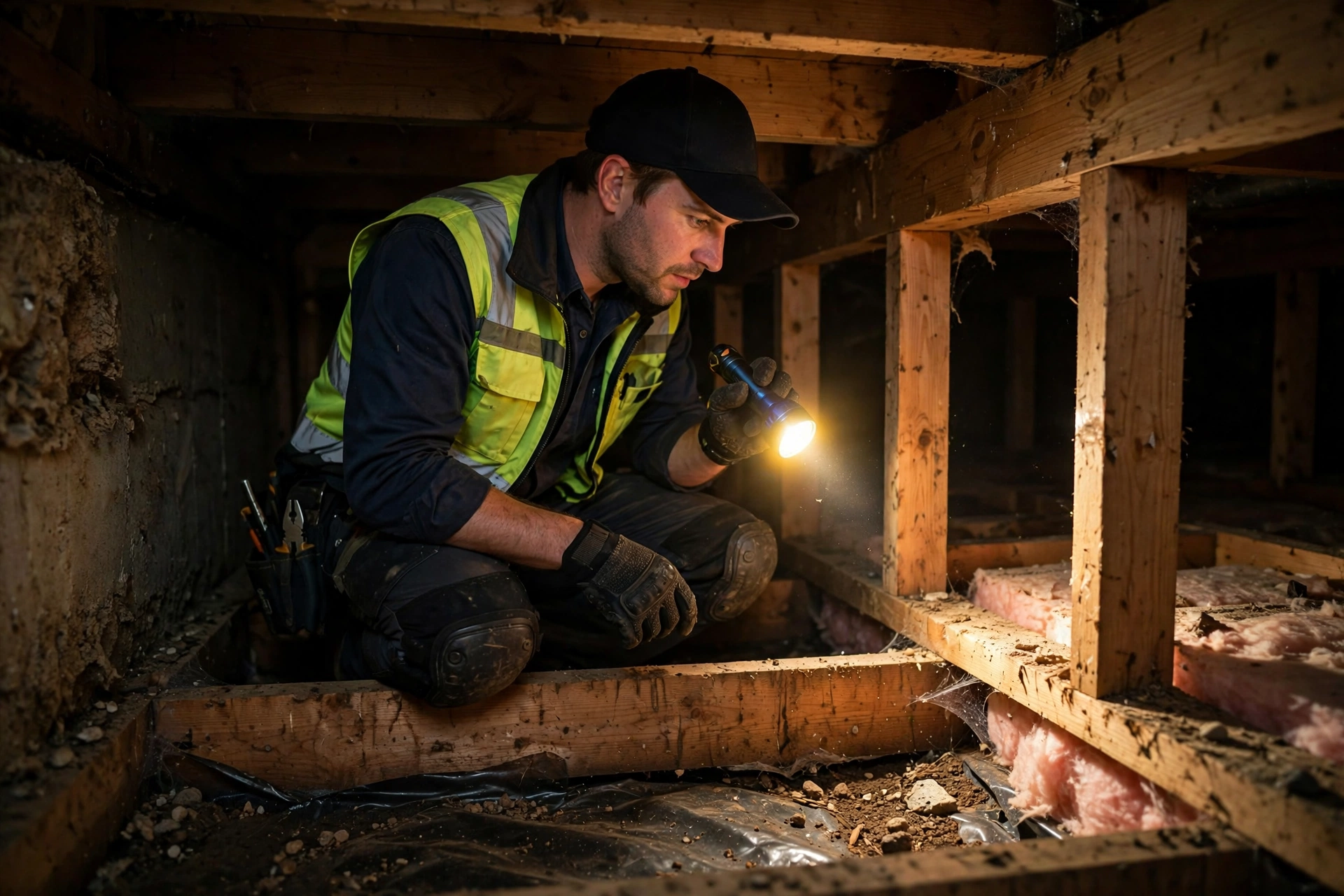
The Real-Estate Angle: Termite Inspections for Bend Buyers
Here’s the truth about most termite-related searches in Bend: they come from people buying or selling a home. A lender, an insurer, or a careful buyer’s agent asks for a wood-destroying organism inspection, and suddenly everyone is Googling termite treatment. In our market, these pest inspections for home buyers and sellers are about documentation and peace of mind far more often than they’re about treating an active infestation.
If you’re buying in Bend, a pre-purchase inspection is still smart money. Our inspectors check for termite evidence, carpenter ant damage, wood-boring beetles, and the moisture conditions that invite all three. You get a clear written report for your agent or lender — and if we find nothing, we’ll tell you that too.
Carpenter Ants vs. Termites: Don’t Confuse Them
This is the mix-up we see constantly. Carpenter ants are the real wood-destroying pest in Central Oregon — they excavate damp or decaying wood to nest, and they’re everywhere from Bend to Sisters cabins. Quick field guide: carpenter ants leave clean sawdust-like frass piles and are most active at night; termites build mud tubes, and their swarmers have straight antennae with two pairs of equal-length wings. Treating one like the other wastes money — which is why accurate identification comes before any termite inspection and treatment plan we write.
Practical Ways to Keep Termites Away in Bend
- Fix leaks and drainage problems promptly — moisture is behind nearly every local termite find.
- Keep firewood, lumber, and debris off the ground and away from the house.
- Maintain at least six inches of clearance between soil and any wood siding or framing.
- Make sure gutters and downspouts move water away from the foundation, not toward it.
- Consider an annual inspection if your home has a history of moisture issues — our residential pest control plans include wood-destroying pest monitoring. Still unsure what you’re looking at? Our pest control FAQ hub covers common identification questions.
Frequently Asked Questions
Are there termites in Bend, Oregon?
Technically, yes — the Pacific dampwood termite lives in Oregon. But established, damaging infestations are rare in Central Oregon because this moisture-dependent species struggles in our dry high-desert climate. The vast majority of local wood damage is caused by carpenter ants, not termites.
How much does termite treatment cost in Bend?
Because active infestations are uncommon here, most termite-related jobs are inspections rather than full treatments — and inspections cost far less. If treatment is ever needed, pricing depends on the extent of activity. See our pest control cost guide for typical ranges, and be wary of any company that quotes a treatment before identifying the pest.
Should I get a termite inspection when buying a home in Bend?
Yes. Lenders and insurers often want one, and a pre-purchase inspection documents the home’s condition for everyone involved. Our buyer/seller inspections cover termites, carpenter ants, and wood-boring beetles in one visit.
What’s the difference between termite damage and carpenter ant damage?
Termites (dampwood species) build mud tubes and pack galleries with soil; carpenter ants push clean, sawdust-like frass out of their tunnels and are usually active at night. A licensed technician can tell the difference on sight — and the treatment for each is completely different.
Do I need a termite warranty or bond in Central Oregon?
Honestly? It’s far less critical here than in termite-heavy regions like the Southeast. Your money is better spent on moisture control, keeping wood off the soil, and an annual inspection if your property has a damp history.
Dealing with termites in Bend or anywhere in Central Oregon? High Desert Pest Solutions will identify the problem accurately and give you an honest plan to fix it — no scare tactics, no overselling. Call (541) 555-0123 or request your free estimate online today.