Hobo Spiders in Oregon: Identification, Bites, and Prevention
It’s a fall evening in Bend, and there’s a large brown spider in the bathtub — again. If you’ve been seeing big spiders wandering indoors lately, there’s a good chance you’re meeting hobo spiders in Oregon at the exact time of year they’re most visible. From late August through October, male hobo spiders leave their webs and roam at night looking for mates, which is why they suddenly show up in hallways, basements, and bathtubs. Here’s how to identify them, what the bite risk really is, and how to keep them out.
Identifying a Hobo Spider
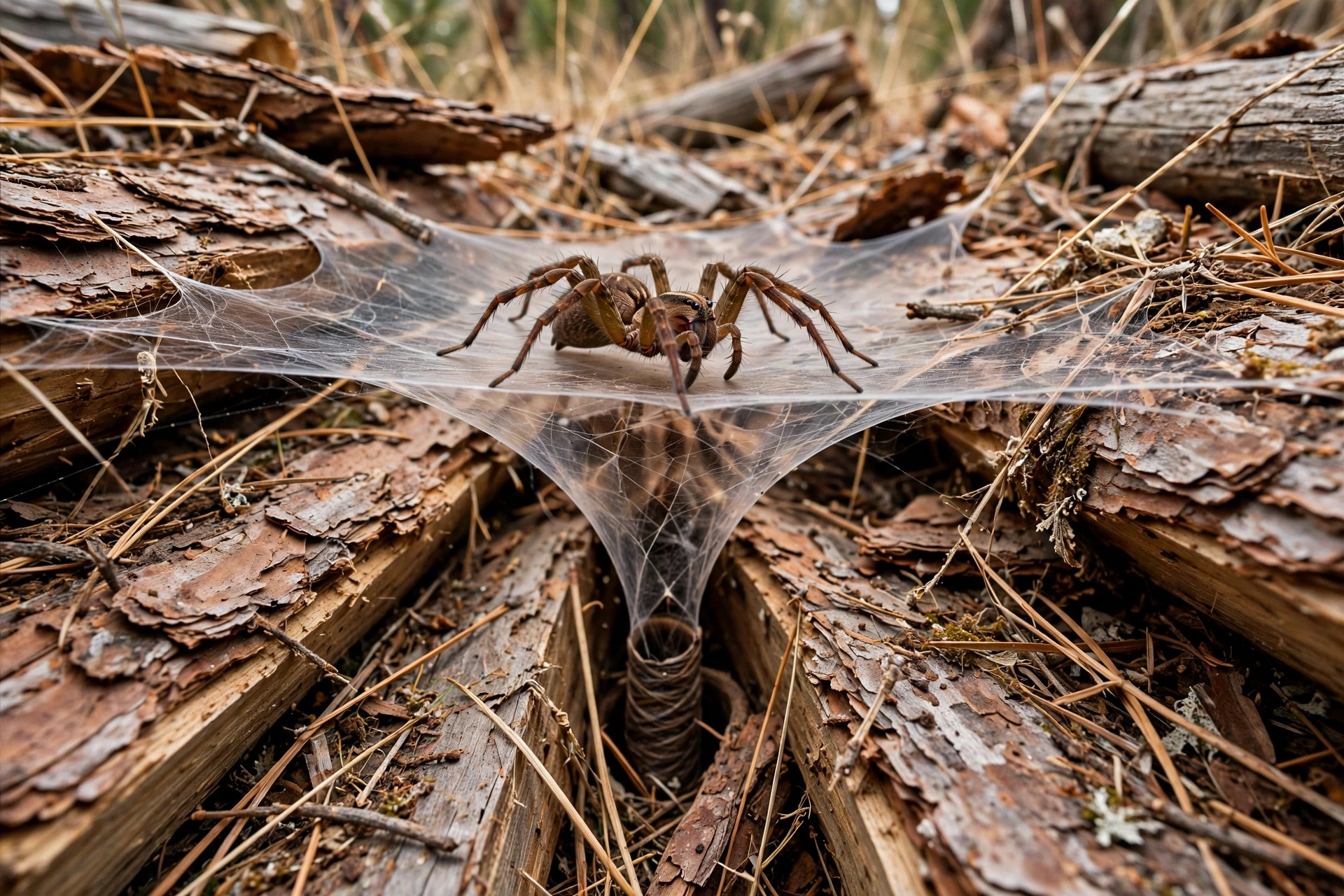
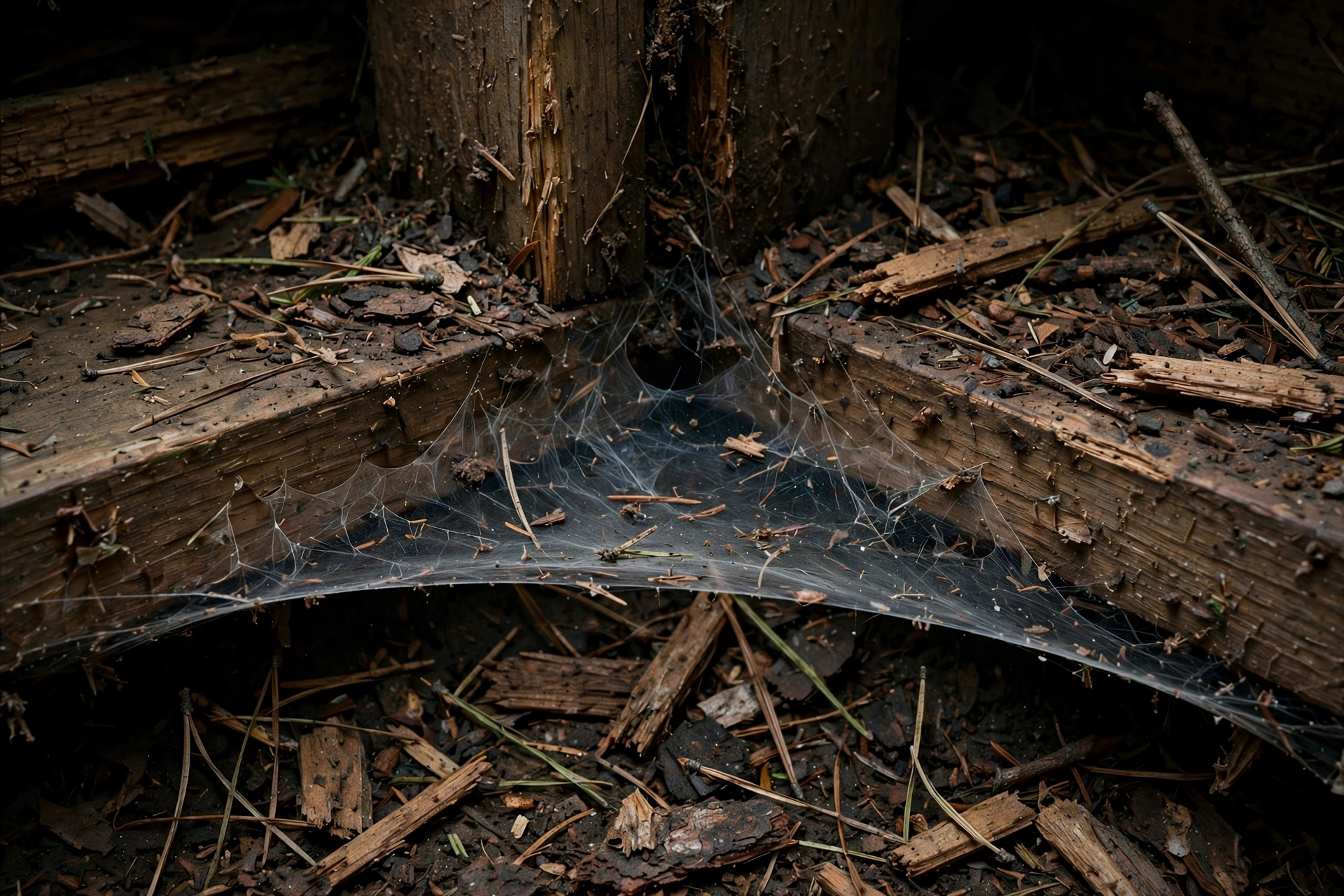
Hobo spiders (Eratigena agrestis) are funnel weavers — they build distinctive flat, sheet-like webs with a funnel retreat at one edge, usually low to the ground in woodpiles, retaining walls, crawl spaces, and basement corners. The spiders themselves are brown, about 1/2 to 3/4 inch in body length, with long legs and a somewhat mottled pattern on the abdomen. Males have enlarged, boxing-glove-like pedipalps near their mouthparts.
The tricky part: hobo spiders look almost identical to giant house spiders and other harmless funnel weavers. Reliable identification usually requires close examination — sometimes under magnification — which is why our spider control technicians identify the species before recommending treatment. Most “hobo spider” sightings in Central Oregon turn out to be harmless look-alikes, but it’s worth knowing for sure.
Are Hobo Spider Bites Dangerous?
Let’s be honest about this, because the internet is full of scary claims. Hobo spiders have a reputation for necrotic bites, but the medical evidence is far weaker than the legend. Controlled studies have struggled to confirm that hobo spider venom causes the severe skin lesions attributed to it, and many diagnosed “spider bites” turn out to be bacterial infections or other conditions. That said, any spider bite that becomes painful, swollen, or shows spreading redness deserves medical attention — don’t try to diagnose it yourself.
The practical takeaway: hobo spiders are not aggressive and bite only when trapped against skin (in clothing, bedding, or a shoe). The real issue in Bend homes isn’t danger — it’s the unsettling experience of large spiders wandering indoors every fall. That’s a comfort and peace-of-mind problem, and it’s very solvable.
Where Hobo Spiders Hide Around Your Home
- Woodpiles and lumber stacks — the number-one harborage. Funnel webs stretched between logs are classic hobo spider real estate.
- Retaining walls — the cracks and crevices in rock and block walls are ideal web anchor points.
- Crawl spaces and basements — dark, undisturbed, and full of corners. Ground-level windows and vents are entry points.
- Behind heavy furniture and storage boxes — anywhere that goes undisturbed for months.
- Window wells — spiders fall in and can’t climb out, then wander indoors through the window frame.
During wandering season (right now, through October), males abandon these webs and roam — which is why you find them in bathtubs and sinks. They climb in easily but can’t climb the smooth sides back out.
Hobo Spider Prevention Tips for Oregon Homes
- Move firewood at least 20 feet from the house and store it off the ground.
- Seal cracks in the foundation and gaps around basement windows and doors.
- Declutter basements, crawl spaces, and storage areas — fewer hiding spots, fewer spiders.
- Install door sweeps and repair window screens before fall.
- Vacuum up webs in corners, behind furniture, and in window wells regularly.
- Shake out clothing and shoes stored in garages or basements before wearing.
Frequently Asked Questions
How can I tell a hobo spider from a giant house spider?
Honestly, it’s very difficult without magnification — they look nearly identical to the naked eye. Both build funnel webs. If you need a certain ID, capture one safely in a jar (or take a clear photo) and have a professional identify it.
What time of year are hobo spiders most active indoors?
Late August through October, when mature males leave their webs to find mates. If you’re seeing large brown spiders in bathtubs and hallways right now, that’s why.
Should I be worried about hobo spider bites?
The medical risk is widely overstated online. They’re not aggressive and bite only when trapped against skin. Any bite with spreading redness or severe pain warrants a doctor visit, but panic isn’t warranted.
Do sticky traps work for hobo spiders?
Yes — glue boards placed along walls in basements and crawl spaces catch wandering spiders effectively and help you monitor activity levels.
When should I call a professional?
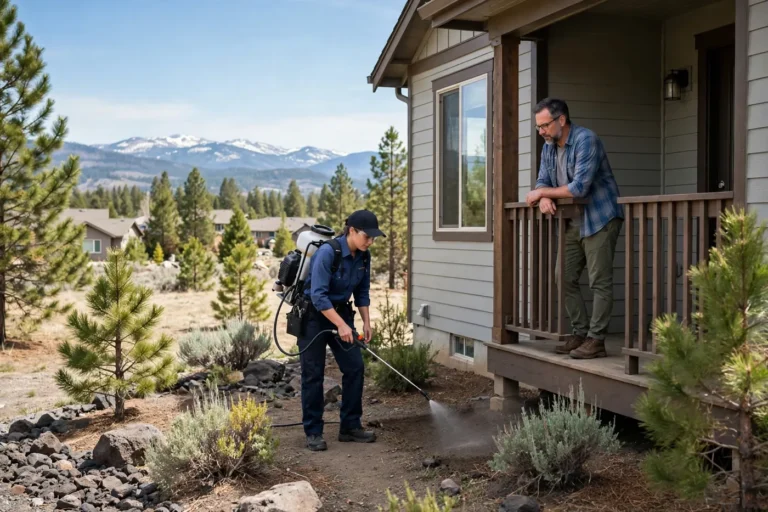
If you’re seeing spiders regularly indoors, if webs are extensive in living areas, or if anyone in the home is anxious about them. Our spider control service includes identification, targeted treatment, and exclusion — see our pest control FAQs for more.
Need help with pests in Bend? High Desert Pest Solutions offers fast, honest pest control in Bend, Oregon and across Central Oregon. Call (541) 555-0123 now or request your free estimate online — we’ll identify the pest, explain your options, and fix it right the first time.